The sound that opened a door
Street Sounds was born in Britain. Its roots reached across the Atlantic, but its impact was felt on British streets, in British clubs and in the lives of a generation.
The label
The label helped bring Hip Hop and Electro culture to a wider UK audience. Its albums put the sounds of the clubs into homes, schools and streets, where listeners could play them, share them and make them their own.
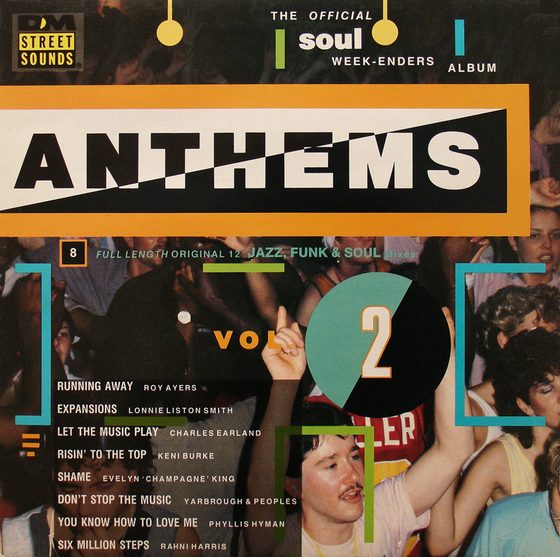
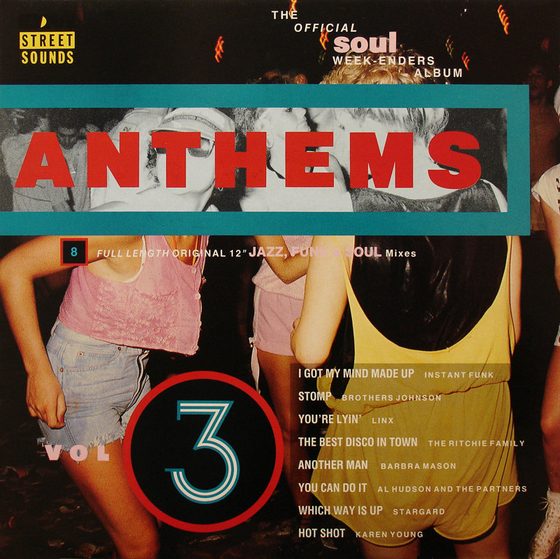
Street Sounds did something equally vital for Soul music and club anthems. In the early 1980s, many of the records filling dancefloors were available only as costly imports from specialist shops. Morgan Khan’s compilations brought those tracks together on affordable albums. The music could travel beyond the clubs and reach people who might never have found an import copy.
For some, a Street Sounds album was their first encounter with a sound that would shape their life. For others, it meant finally owning the records they had danced to all weekend. Either way, the music no longer stopped when the club lights came on.
Soul to Electro
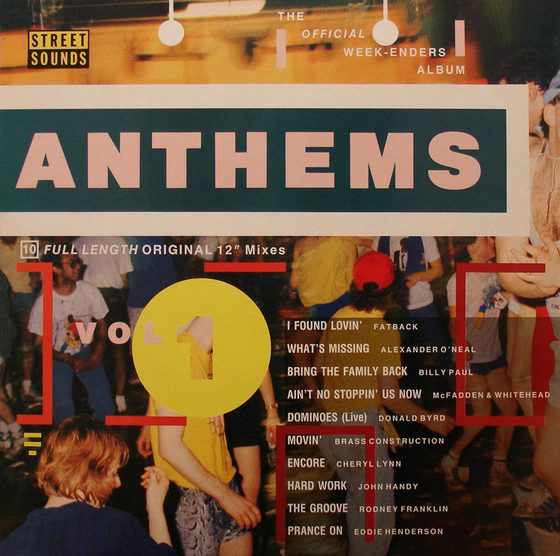
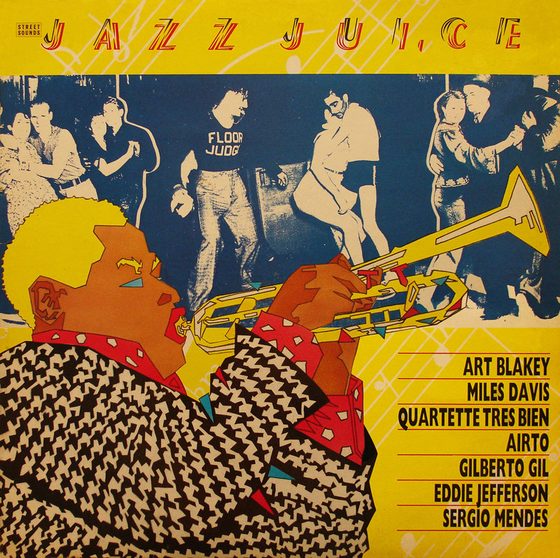
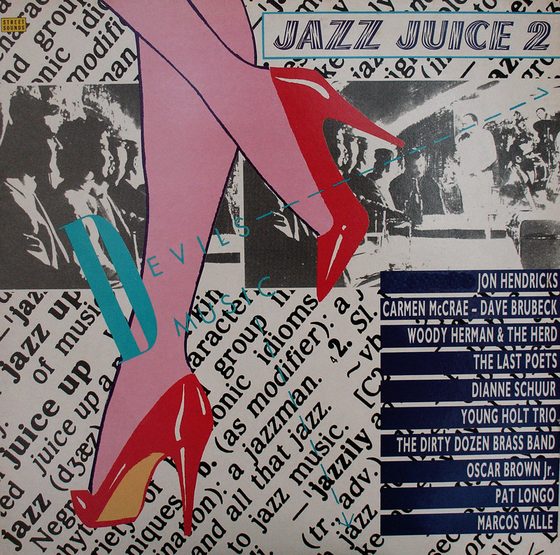
Street Sounds was never just one sound. Alongside Electro and Hip Hop, the label's albums carried Soul, Funk, Boogie, Disco and Jazz Funk, from the original Street Sounds main series to the Anthems collections.


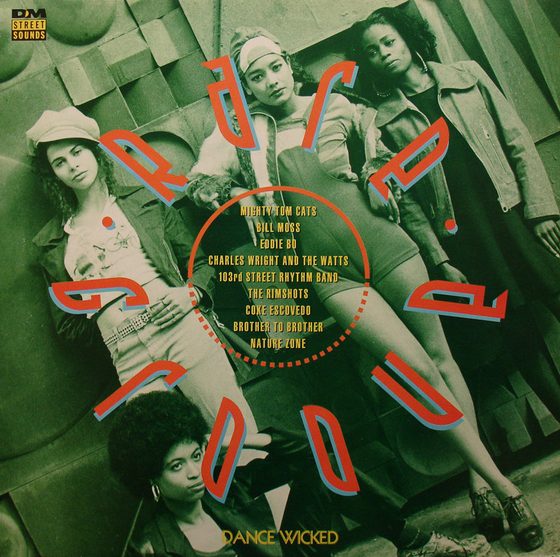
Electro
Khan founded Street Sounds in 1982 because he heard the power in records the mainstream music industry was overlooking. He travelled to the United States to license music, then brought it to listeners across Britain. He trusted DJs, dancers and record buyers to recognise what he recognised: this music mattered.


The Street Sounds Electro series, launched in 1983, made that conviction impossible to ignore. Its mixes carried the energy of the DJ booth onto vinyl and cassette. As Electro and Hip Hop reached young people around the country, the albums became part of a wider movement of breakdancing, style, art and self-expression. They gave listeners a way in and a sound they could share.
Khan kept following the music. Street Sounds and its related labels championed club sounds across the decade, from Soul and Rare Groove to the arrival of Chicago House.
UK Fresh ‘86’
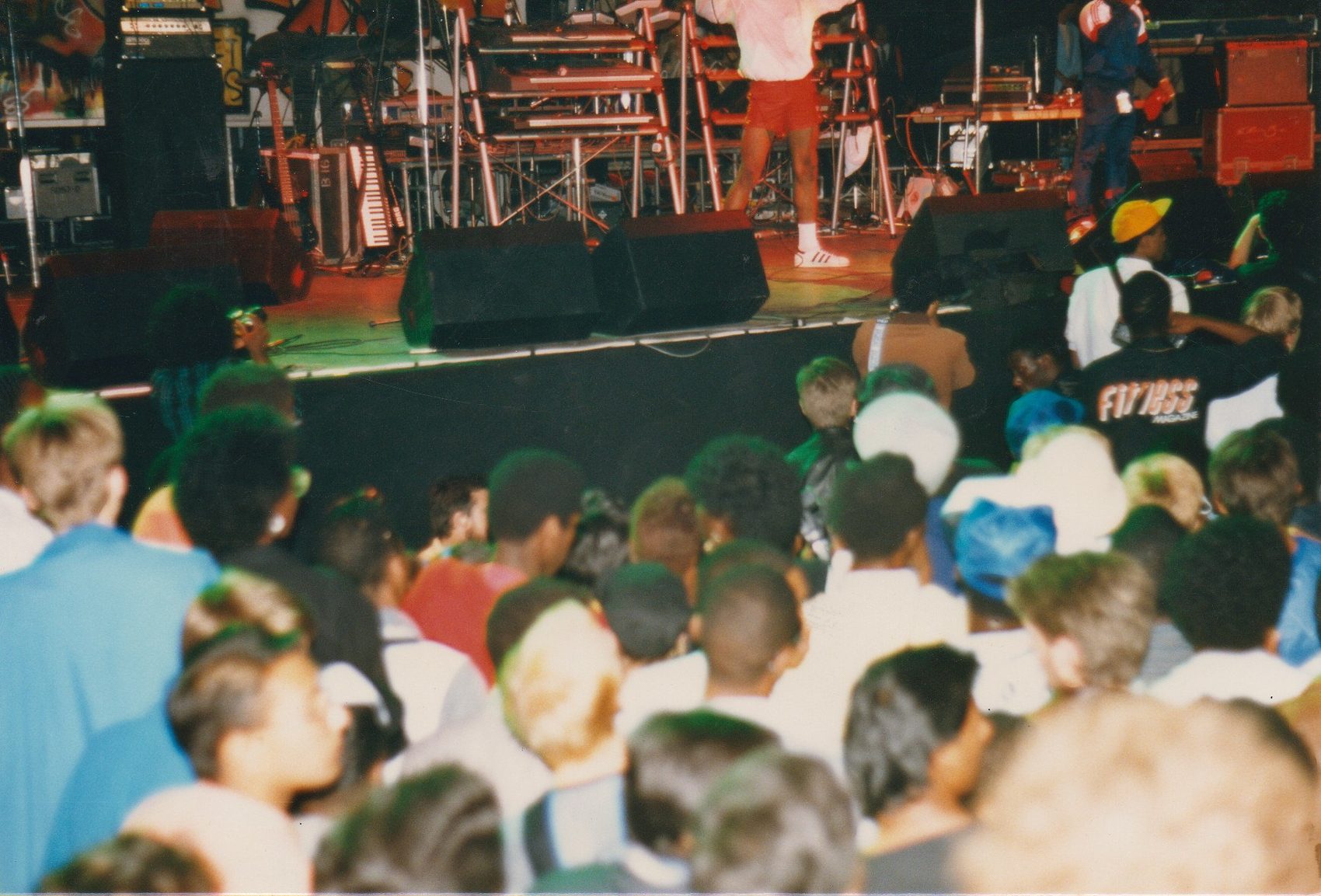
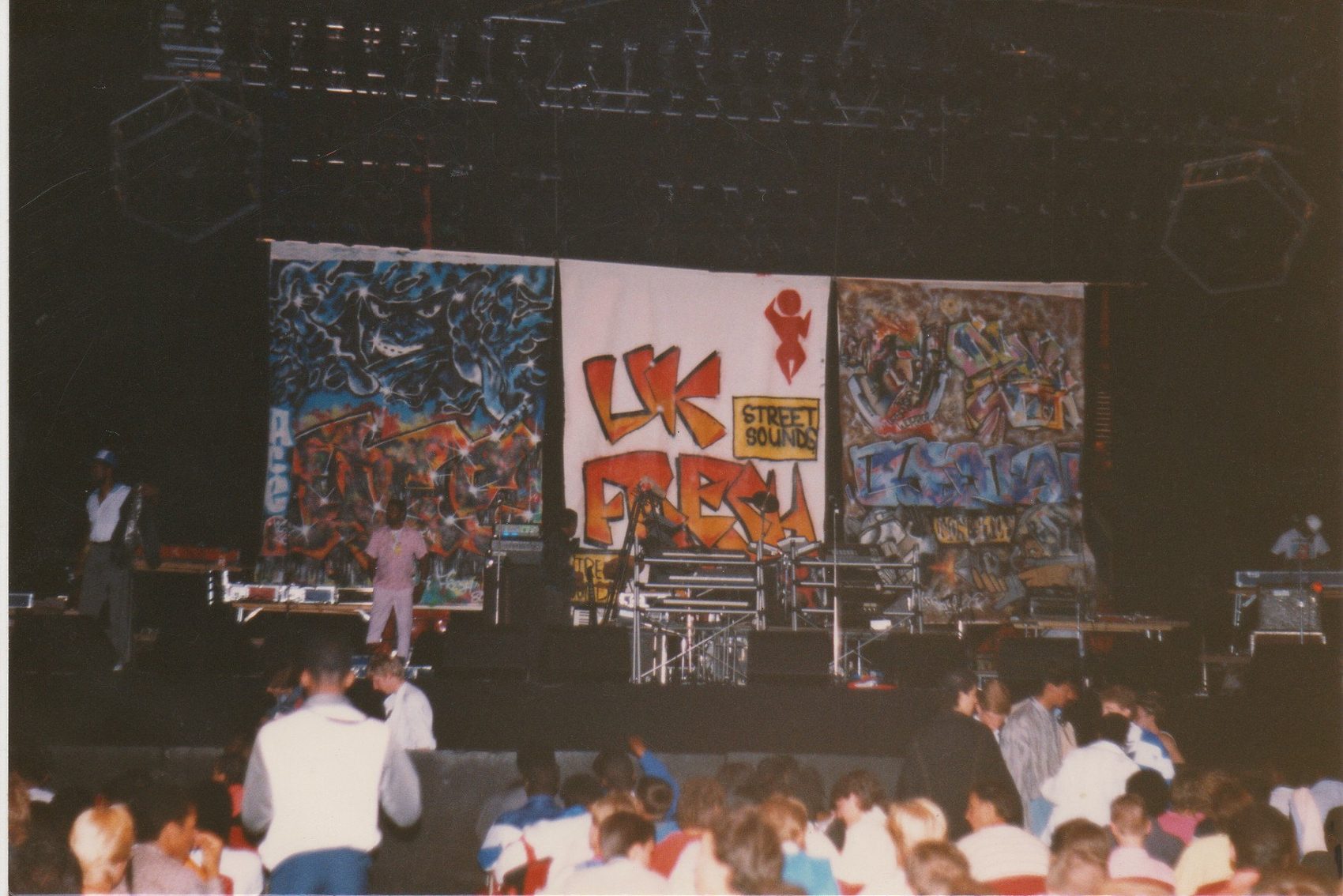
On 19 July 1986, Street Sounds brought Hip Hop and Electro to Wembley Arena with UK Fresh ‘86’. Organised as part of Capital Radio’s Capital Music Festival and hosted by Mike Allen, the event featured leading artists across an afternoon and an evening show.
It was, at the time, the biggest live Hip Hop event the UK had seen. Thousands came together for music that had rarely been given a stage on that scale. The records had reached a generation; UK Fresh showed the strength of the movement they had helped bring together.
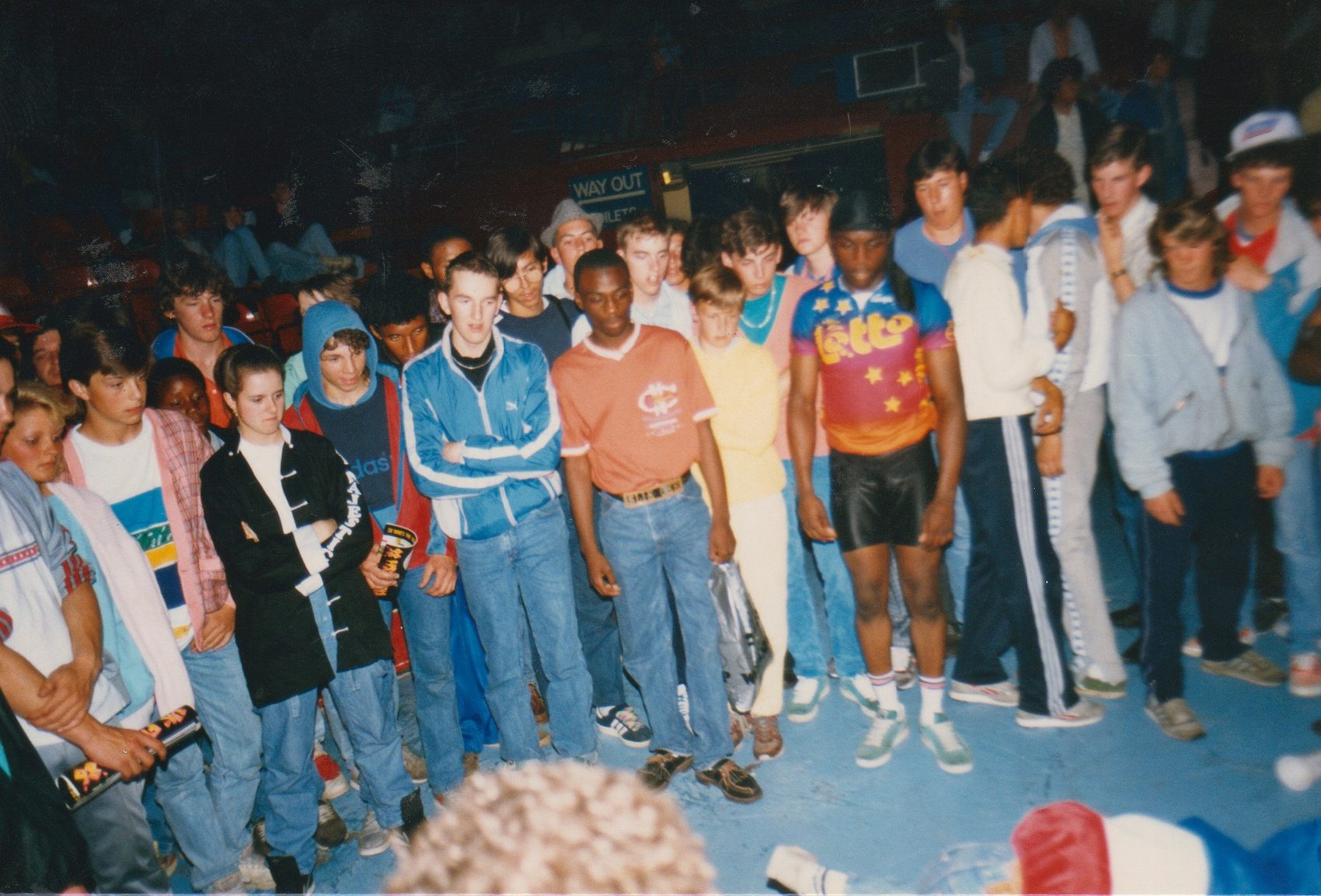
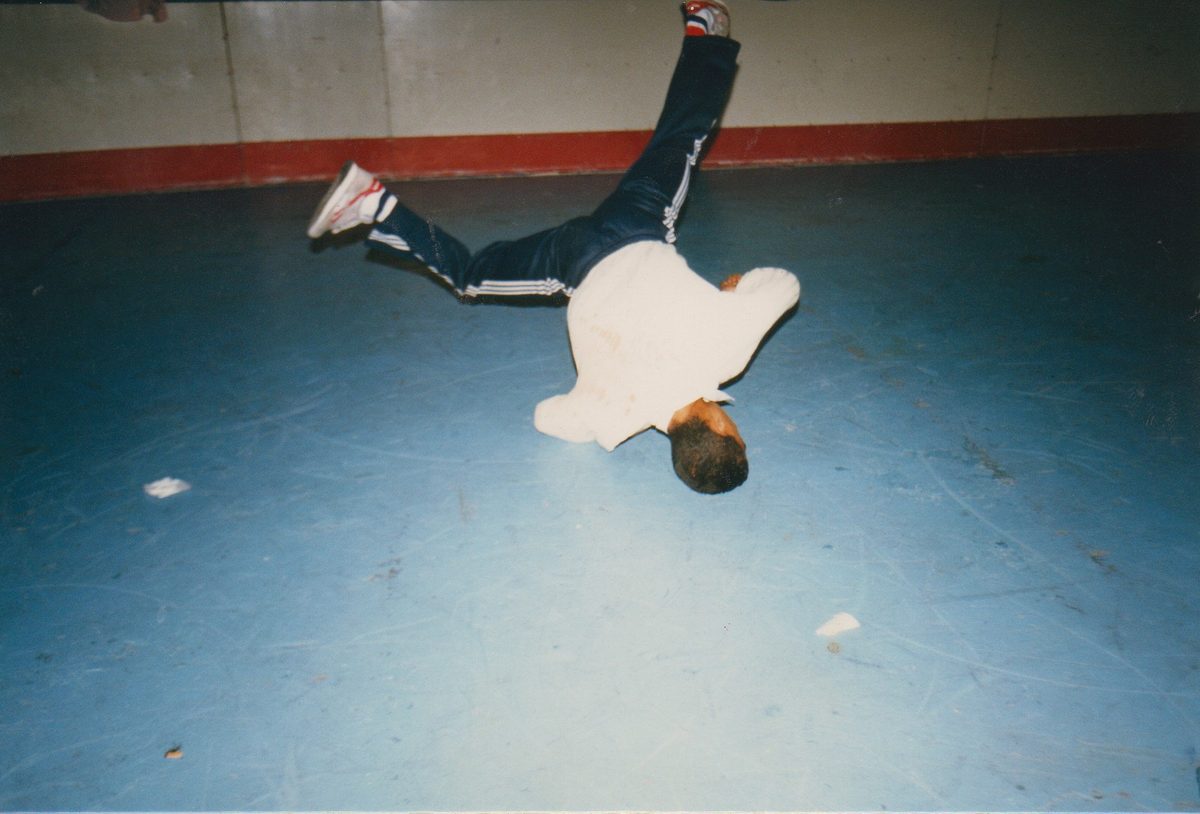
Forty years on, that story continues. Street Sounds will celebrate the anniversary with UK Fresh ‘26’ on Saturday 7 November 2026 at 229 London, bringing the music and its community together once more.
The legacy
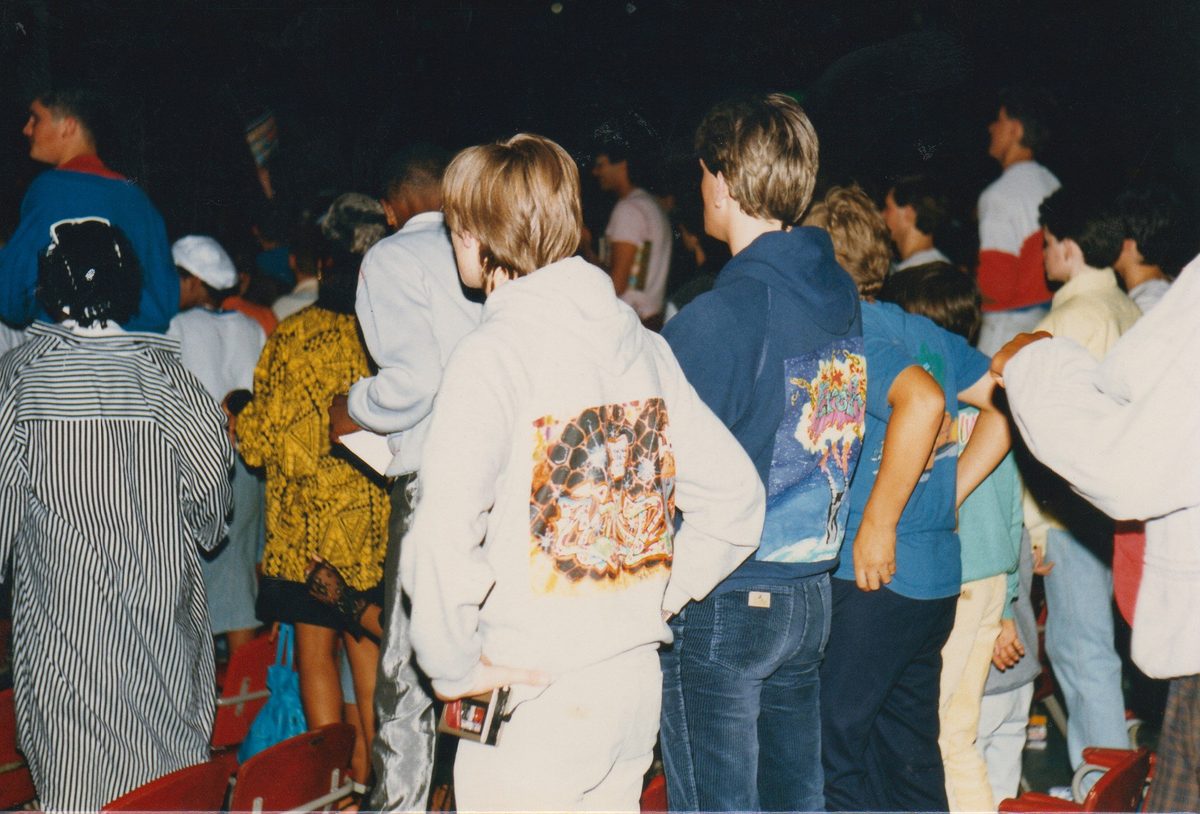
Street Sounds is more than a brand. It became a symbol of street culture, of discovery, independence and the power of music to bring people together. Shaped by music of Black origin and carried by the DJs, dancers and listeners who made it their own, it represents some of the best of Britain: an openness to new ideas and the instinct to share what you love.
The artists made the music. DJs broke it. Dancers, clubs, radio presenters and listeners gave it life. Khan’s achievement was to hear its potential early, take risks on it and help it travel. Street Sounds connected those people and sounds at a moment when such connections were hard to make.
That legacy is written into countless personal memories: the first copy bought with saved-up money, the sleeve you can still picture, the track played over and over, the room where you found your people.
Street Sounds opened a door. Generations walked through it and the groove goes on.